
Run and Beyond Travel Experiences
Running while traveling converts a routine into a purposeful encounter with place, people, and personal limits. Regular aerobic training reduces cardiovascular risk by about 30 to 50 percent when done consistently, while new environments stimulate mental resilience, improve motivation, and reduce perceived effort. Cultural benefits are tangible: running past Tokyo's cherry trees in March or through Buenos Aires neighborhoods at dawn reveals rhythms that timed tours seldom do. Run and Beyond curates trips that balance performance goals with local immersion, pairing certified coaching, vetted guides, and community connections to ensure safe, memorable experiences.
Criteria for selecting global destinations

Choosing a destination is a mix of climate science, logistics, and the runner's objectives. Key factors determine whether a location fits a training block, a race target, or a leisure run.
Below is practical comparative data for common destinations used by Run and Beyond for curated travel. The figures reflect historical averages and typical access points used by athletes.
| Destination | Best months | Avg temp range (°C) | Terrain | Nearest international airport | Difficulty 1–5 |
|---|---|---|---|---|---|
| New York City | Oct–Nov | 4–15 | Urban, flat with bridges | JFK / Newark (EWR) | 2 |
| Tokyo | Feb–Mar | 5–15 | Urban, varied | Narita (NRT) / Haneda (HND) | 2 |
| Paris | Apr | 8–18 | Urban, Seine-side routes | Charles de Gaulle (CDG) | 2 |
| London | Apr–May | 6–16 | Urban, parks | Heathrow (LHR) | 2 |
| Buenos Aires | Mar–May | 15–25 | Urban, riverfront | Ezeiza (EZE) | 2 |
| Cape Town | Sep–Nov | 12–22 | Coastal, hills | Cape Town Int. (CPT) | 3 |
| Chamonix (Alps) | Jun–Sep | 5–20 | Mountain trails | Geneva (GVA) | 4 |
| Patagonia (El Chaltén) | Dec–Feb | 0–15 | Mountain and glacial trails | El Calafate (FTE) | 5 |
| Kathmandu / Himalayas | Oct–Nov | 2–20 | High altitude trails | Tribhuvan (KTM) | 5 |
| Kilimanjaro / Highlands | Jan–Mar | -7–15 | High altitude trekking runs | Kilimanjaro (JRO) | 5 |
| Amalfi Coast | Apr–Jun, Sep–Oct | 15–26 | Coastal cliffs, steps | Naples (NAP) | 3 |
| Bondi / Sydney Coast | Sep–Nov | 12–22 | Coastal promenade | Sydney (SYD) | 2 |
| Maui, HI | Apr–May | 18–28 | Coastal and volcanic | Kahului (OGG) | 3 |
| Iceland (coast) | Jun–Aug | 4–12 | Lava fields, coastal trails | Reykjavik (KEF) | 4 |
Climate and seasonality matter for recovery windows and injury risk. Terrain and vertical gain inform shoe choice and nutrition strategy. Accessibility shapes how many travel days are needed before the first quality session. Local running culture indicates available clubs, safety norms, and popular routes.
Signature locations and community experiences
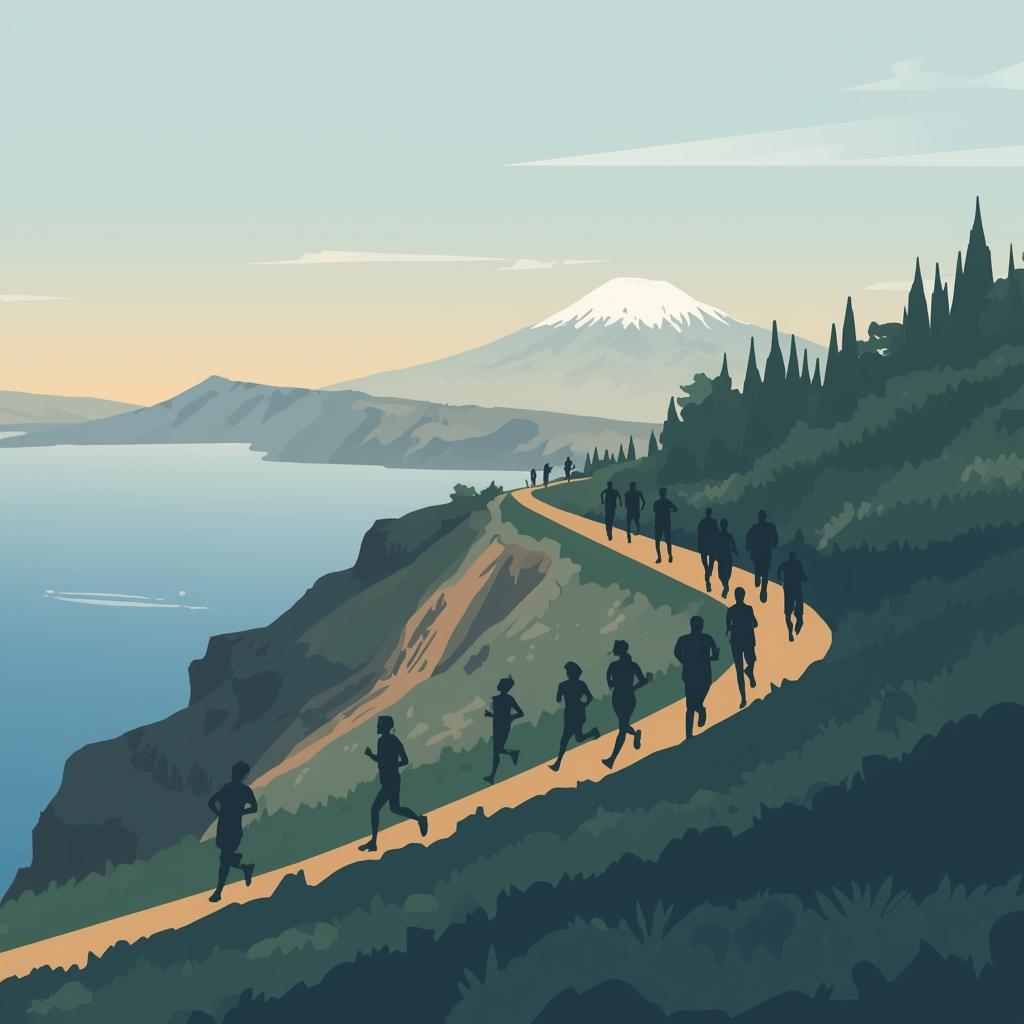
Iconic city runs connect landmarks, safety, and logistics. New York City routes through Central Park and along the Hudson offer consistent surfaces and race-similar crowds. Tokyo features orderly early-morning loops under cherry blossoms. Paris and London present river routes and park loops that work for tempo and recovery runs. Buenos Aires provides flat, long avenues and riverside sections for steady miles. Cape Town pairs seaside runs with Table Mountain climbs for variety.
Mountain and trail destinations demand different preparation. Chamonix hosts events such as UTMB in late August and has classic alpine approaches for high-vertical training. Patagonia in southern Chile and Argentina is best during the austral summer, offering glacier views and technical singletrack. The Himalayas and Kilimanjaro require staged acclimatization and attention to altitude protocols.
Coastal runs combine wind and surface variability. Bondi to Bronte and the Amalfi coastal paths introduce stair-heavy sections that build strength. Maui provides volcanic road loops and sea-breeze intervals. Iceland's lava and coastal runs reward runners with stark scenery but require wind and weather planning.
Community-based experiences amplify local knowledge. Local running clubs provide weekday sessions and safety networks. Guided urban runs explain history and foodways while community races on Sundays offer a chance to join locals for a low-pressure effort. Run and Beyond partners with clubs in cities like Tokyo Running Club, New York Road Runners, and Cape Town Hash House Harriers to create authentic meetups.
Training, nutrition, gear, safety, and sustainability
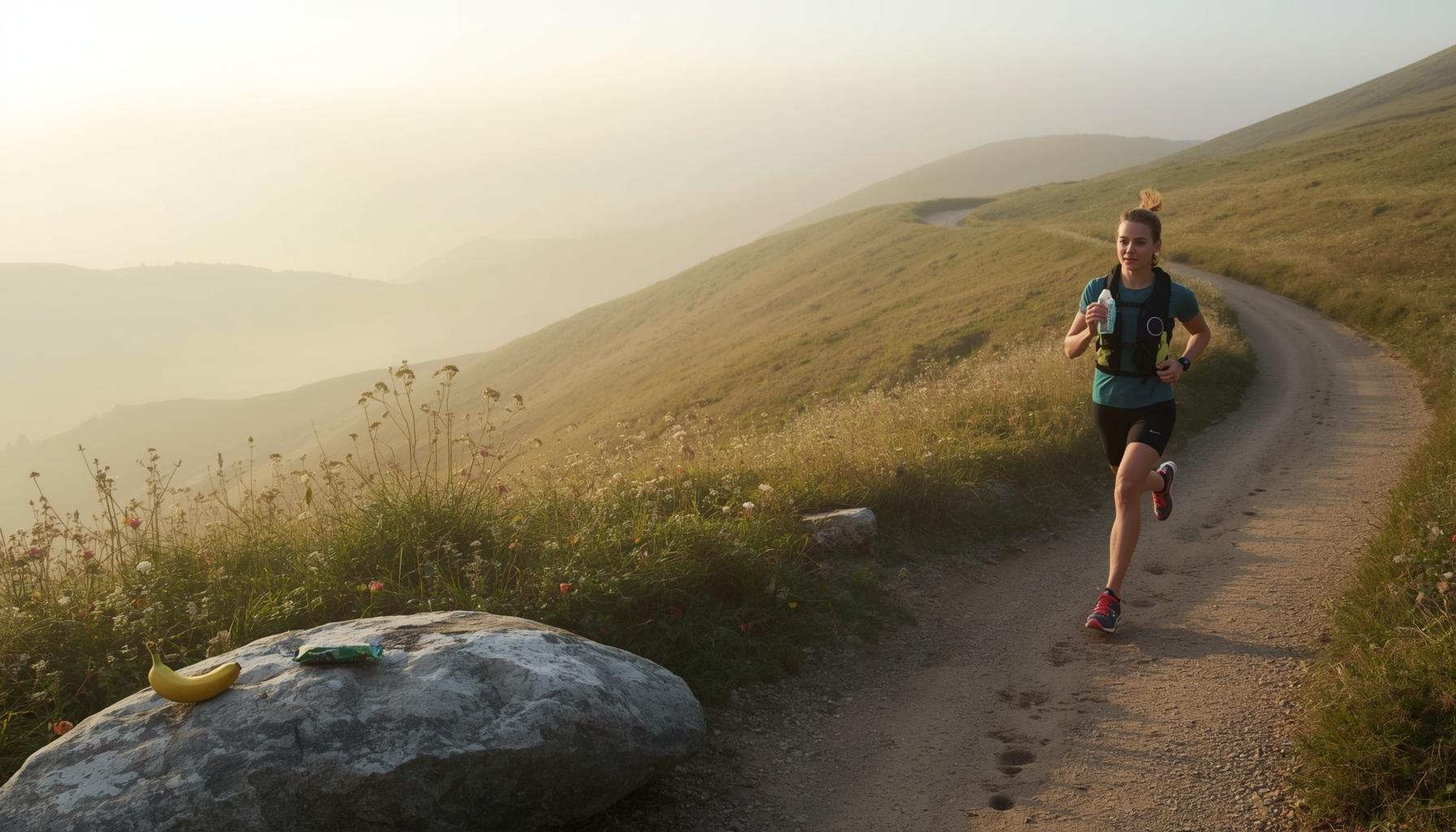
Maintaining a training plan on the road requires micro-adaptation. Use 30–60 minute quality sessions when time is limited, then compensate with density and cross training. Altitude adjustments follow a simple rule: ascend gradually and allow one rest day per 500–700 meters above 2,000 m for aerobic adaptation. Heat and humidity demand shorter sessions, electrolyte strategies, and monitoring of urine color and heart rate drift.
Nutrition that supports performance often aligns with regional cuisine. In Japan, rice and fish provide lean carbs and protein. In Patagonia, lamb and root vegetables support recovery after long mountain days. In Italy, balanced pasta meals before long runs and olive oil for healthy fats are effective. Hydration plans must account for humidity and travel-related diuresis.
Essential gear is compact and specific. A recommended packing checklist:
- running shoes (primary and a spare)
- lightweight waterproof jacket
- compression socks and blister kit
- GPS watch with offline maps
- small first aid kit and sun protection Laundry routines and quick-dry garments reduce baggage needs. Consider travel insurance that covers sports and high-altitude activities. For long events, shipping a spare pair of shoes or compression kit to the hotel via courier can be more efficient than extra checked bags.
Responsible tourism matters. Adopting leave no trace behaviors on trails preserves fragile environments. Supporting local vendors, hiring local guides, and choosing low-impact transport options reduce social and carbon footprints. Run and Beyond emphasizes carbon-offset options and partners with local non profits where available.
Connecting with Run and Beyond, media, and planning resources
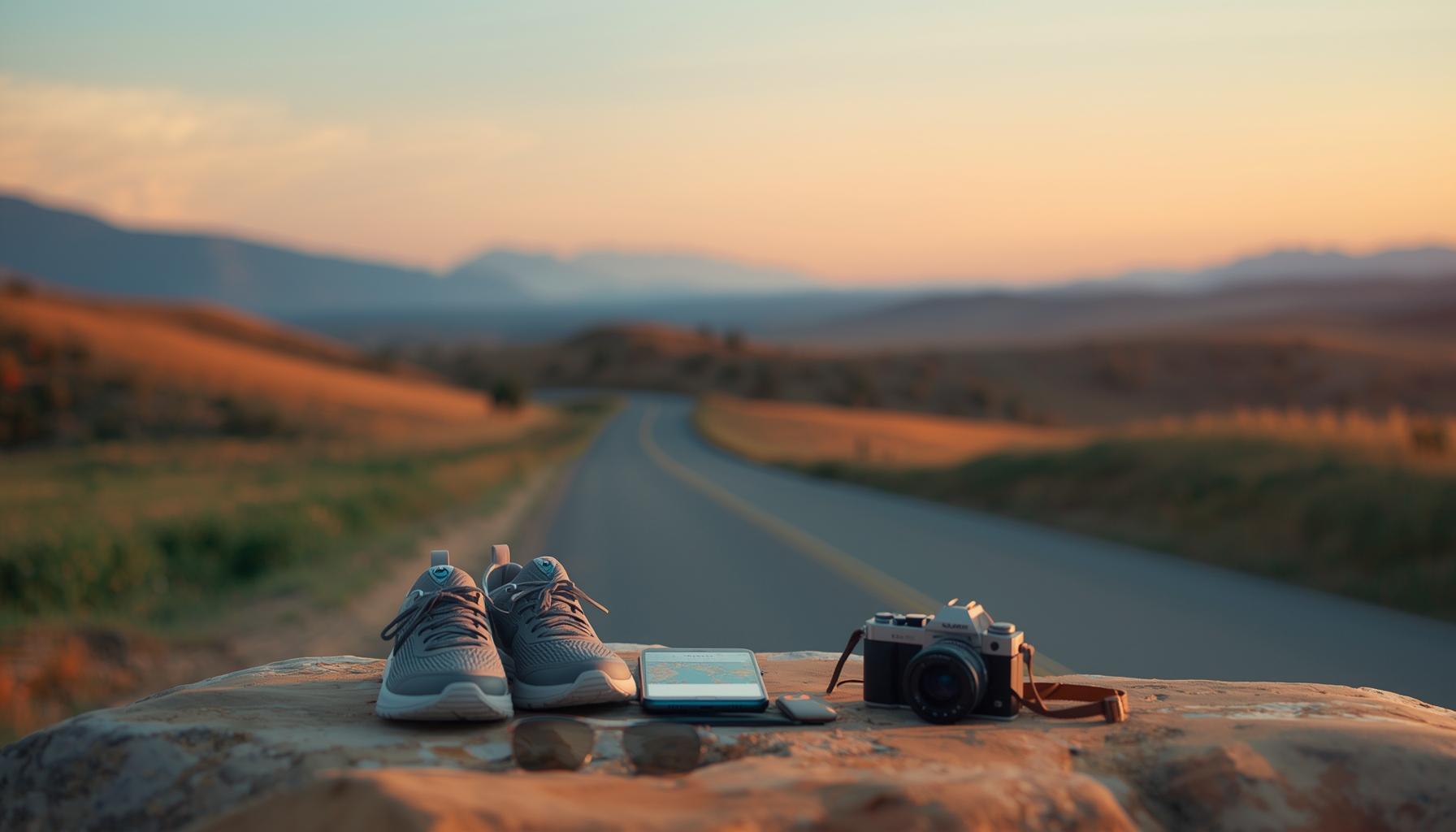
Run and Beyond offers custom itineraries, coaching packages, and guided running trips timed to major events such as the New York City Marathon in early November and the Tokyo Marathon in March. Storytelling and visual media are part of the experience; athletes are advised to shoot golden hour photos, use a small stabilizer for video, and avoid public geotagging of sensitive trail coordinates. Sample itineraries include a 7-day city sampler with morning coached sessions and evening cultural runs, and a 10-day mountain trip with staged altitude days and guided technical outings.
Practical resources include recommended apps such as Strava, Komoot for trail routing, and local club pages for meetups. Registration windows for marathons often open 6 to 12 months in advance, so early planning is crucial for peak events. Run and Beyond coordinates registration support, gear logistics, and coaching to make running travel both productive and transformational.